Licensed to Sell: A Graphic Design Asset for Crafts and Local Branding
First Impressions of Licensed to Sell
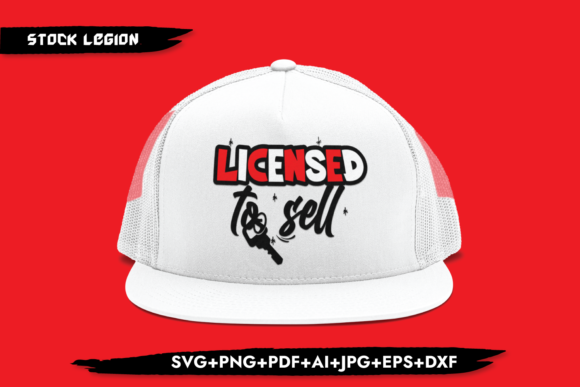
Upon opening the Licensed to Sell graphic design asset, I was immediately drawn to its clean lines and professional finish. The 6×6 inch size with a transparent background suggests versatility, while the high-resolution files (300 dpi) indicate that this is an asset built for print as well as digital use. It feels modern yet approachable, making it a strong candidate for businesses looking to project a trustworthy and polished image.
The mood created by this design leans toward professionalism with a subtle touch of creativity. It’s not overly ornate, but it carries enough visual interest to stand out in branding materials. This makes it ideal for local businesses such as boutique stores, handmade soap brands, or even a cozy coffee shop looking to add a touch of personality without overwhelming their brand identity.
Real-World Applications for Local Business Branding
As a brand designer working on a project for a small bakery, I found that Licensed to Sell could serve multiple purposes. For instance, it worked beautifully as a decorative element on product packaging, adding a subtle touch of elegance to labels and hang tags. Its adaptability also made it useful for social media graphics—whether as a background for promotional posts or as part of a seasonal campaign.
Here are some specific uses where this graphic design asset shines:
- Product Labels: The transparent background allows for seamless integration with product colors, making it perfect for food labels, skincare packaging, or handmade goods.
- Promotional Banners: Used in combination with text, it can create eye-catching banners for events, sales, or new product launches.
- Social Media Graphics: The PNG format ensures crisp visuals when used in Instagram stories, Facebook ads, or Pinterest pins.
- Printable Inserts: Ideal for thank-you cards, menu inserts, or sample packaging that needs to be both functional and visually appealing.
Supporting Stronger Brand Presentation
One of the most valuable aspects of using Licensed to Sell is how it contributes to a more cohesive brand identity. When applied consistently across different marketing channels—from packaging to website banners—it helps reinforce brand recognition and builds customer trust. This is especially important for local businesses competing in crowded markets.
By incorporating this graphic design asset into product mockups or promotional visuals, businesses can achieve a more professional look that resonates with their target audience. It supports clearer visual hierarchy, ensuring that key messages stand out while still maintaining an aesthetically pleasing layout.
Where This Design Works Best
Licensed to Sell excels in situations where a subtle decorative element can elevate the overall design without overpowering the message. It works particularly well on product labels, hero graphics for websites, and as a background for promotional banners. In a boutique setting, it can enhance the visual appeal of seasonal packaging or serve as a unique detail on branded merchandise.
For handmade sellers or small business owners who want to maintain a consistent aesthetic across all their branding materials, this asset provides a reliable base that can be customized to match their brand colors and typography choices.
Using It with Caution
While Licensed to Sell is a versatile graphic design asset, there are certain contexts where it may not be the best fit. For example, it might not work well on very small labels where the details could become lost, or in layouts that require minimalistic designs where any additional decoration might feel out of place.
It’s also important to test it alongside different fonts—serif, sans serif, script, and display fonts—to ensure it complements the text rather than clashing with it. Additionally, checking the commercial license before using it for client work or physical product sales is essential to avoid legal issues down the line.
Practical Notes for Brand Designers
Before integrating Licensed to Sell into a real project, I recommend testing it on actual packaging mockups to see how it looks in context. Checking how it appears in black and white can help determine if it holds up without color. Previewing it on small labels will ensure legibility, and comparing it with competitor packaging can provide insights into how it stands out in the market.
Reviewing the PNG transparency and inspecting the SVG or vector editability is also crucial for designers who may need to tweak the design further. Ensuring that it aligns well with the brand's existing color palette and font choices will help maintain a cohesive visual identity.
Final Thoughts on Licensed to Sell
In conclusion, Licensed to Sell is a well-crafted graphic design asset that offers great value for small business owners and local brand creators. Whether used for product labels, social media content, or promotional visuals, it adds a professional and creative edge to branding efforts. As long as it’s used thoughtfully and in alignment with the brand’s overall identity, it can make a meaningful impact on customer perception and brand recognition.